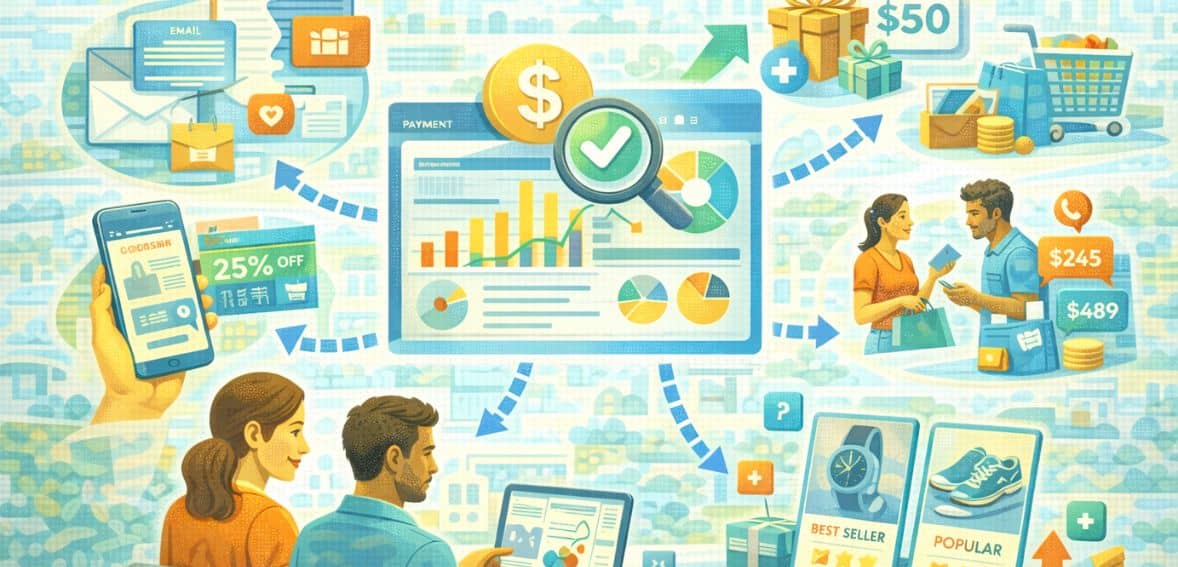
Many companies view payment data as a back-office activity that is primarily helpful for tax reporting, bookkeeping, and reconciliation. However, a whole narrative regarding consumer behavior, preferences, timing, and value is concealed within transaction records.
Each payment discloses not only what was bought, but also when, how frequently, how much it cost, and under what circumstances. Payment data is one of the most trustworthy sources of marketing intelligence when considered strategically.
It represents actual, financially supported behavior, in contrast to polls or speculation. Companies that are adept at interpreting this data are better able to understand consumer intent, purchase cycles, and chances for upselling in ways that feel relevant rather than intrusive.
Understanding What Payment Data Actually Reveals
Payment information is much more than just balances and totals. Visit frequency, average transaction size, preferred payment methods, reaction to promotions, and sensitivity to price fluctuations are all displayed. When transactions are examined over time, patterns become apparent.
While some consumers make frequent but small purchases, others make fewer but more expensive purchases. Payment timing may reveal seasonal surges or payday-driven behavior. Method selection may be influenced by demographic preferences, convenience, or trust.
Marketing decisions become supported by evidence when companies start interpreting payment data as behavioral signals rather than financial records. This change turns unprocessed data into insights that explain why consumers behave in certain ways rather than just what they bought.
From Transactions to Customer Segments
Customer segmentation is one of the most effective applications of payment data. Businesses can segment their customer base based on real buying patterns rather than just age or region. Payment patterns reflect discount-driven consumers, high-frequency purchases, premium spenders, and inactive clients.
These divisions enable more targeted marketing. A price-conscious first-time buyer does not require the same message as a devoted, valuable customer. Upsell offers are guaranteed to feel customized rather than generic because of payment-based segmentation.
Customers’ involvement naturally rises when they receive offers that correspond with their exhibited behavior. Real transaction-based segmentation eliminates speculation and cuts down on unnecessary marketing expenditures.
Identifying Cross-Sell Opportunities Through Purchase History
Payment information reveals both what consumers purchase and what they do not. Gaps in purchase history highlight opportunities for cross-selling comparable goods or services.
For example, a client who consistently pays for one service but never chooses associated add-ons might not be aware of them. This gap is filled by targeted cross-sell messaging. Businesses might suggest particular upgrades that make sense based on previous purchases rather than advertising everything.
Instead of feeling promotional, this strategy feels tailored. Cross-selling becomes advice rather than persuasion when payment data is used. Consumers respect recommendations that actually add value rather than detract from the original purpose.
Reducing Churn by Detecting Changes in Payment Behavior

Unexpected shifts in payment patterns frequently indicate disengagement. Declining interest may be indicated by fewer transactions, lower spending, or late payments. Businesses can identify these trends early due to payment data.
Businesses might step in with targeted offers or outreach rather than responding after a customer departs. Engagement may be restored with a customized reward, reminder, or service check-in. Payment data-driven marketing becomes proactive rather than reactive. This proactive strategy lowers attrition and improves retention.
Consumers feel observed rather than followed. Outreach that targets actual behavioral changes feels intentional rather than automated, maintaining confidence and enhancing long-term revenue stability.
Personalizing Promotions Without Discount Fatigue
Discounts work well, but using them excessively might be dangerous. Payment data enables companies to intentionally rather than randomly implement promotions. While some customers may place a higher value on convenience, exclusivity, or packaged perks, others may respond favorably to reductions.
Businesses improve future marketing by examining payment responses to previous promotions. Customers are not trained to wait for discounts as a result. Promotions based on payment data feel earned rather than anticipated.
Margins increase without compromising conversion when personalization takes the role of generic discounts. Instead of feeling conditioned, customers feel understood. This equilibrium maintains the value of the brand while utilizing promotions as an effective means of interaction.
Building Loyalty Programs That Reflect Real Behavior
Because they reward behaviors that don’t accurately represent the value of customers, many loyalty programs fall short. This is corrected by payment data, which bases rewards on real spending patterns.
Programs can account for transaction size, consistency, and length in addition to visit frequency. Fairness and relevancy are produced as a result. While new customers perceive obvious routes to incentives, high-value customers feel acknowledged. Loyalty programs that rely on payments feel open and inspiring.
Consumers are aware of the rewards that come from their purchases. Long-term engagement and participation are increased by this clarity. Loyalty programs don’t become insignificant tricks; instead, they improve relationships when they reflect actual conduct.
Segmenting Customers for Smarter Campaigns

Only when segmentation is founded on relevant data is it effective. Payment data, such as spend amount, frequency of purchases, preferred payment methods, and timing trends, provides specific criteria for client segmentation. Relevant, tailored marketing is made possible by these segments. Businesses distinctly interact with each group rather than sending the same message to everyone.
Reminders, promotions, and upsell offers correspond with real behavior. As a result, there is less noise and more interaction. Campaigns become targeted conversations instead of wide broadcasts due to payment-based segmentation. When consumers see that messages are created for them rather than for an audience, they are more inclined to reply.
Leveraging Payment Method Preferences
Customers’ payment habits disclose preferences that affect marketing effectiveness. Cards are preferred by some, whereas digital wallets, subscriptions, or installment plans are preferred by others. Businesses can customize offers by using payment method data.
Customers who make recurrent payments, for instance, might react favorably to membership upgrades, whereas one-time payers would require assurances or rewards. Understanding payment choices enhances the presentation of upsells. It makes sense to provide payment solutions to clients who now utilize them. Marketing is in line with financial comfort zones due to payment data.
Offers that honor customers’ preferred payment methods reduce friction and increase acceptance. In addition to payment method preferences, understanding patient financing options can help businesses design offers, upsells, and premium programs that align with customers’ financial comfort and readiness to invest.
Using Failed Payments as Engagement Opportunities
Although unsuccessful payments are sometimes seen only as operational problems, they also offer engagement insights. Expired cards, denied transactions, or missing payments may suggest friction or confusion. These problems can be resolved and value reinforced with careful follow-up marketing.
Payment information enables companies to distinguish between disengagement and technical problems. Instead of being punitive, messaging can be encouraging. Trust is maintained when clients feel assisted rather than forced.
Some unsuccessful payments present chances to upsell more appropriate programs or offer alternate payment methods. Potential losses are transformed into opportunities for connection and retention through payment data.
Aligning Upsells with Customer Lifecycle Stages

From initial purchase to recurring engagement to loyalty, customers move through predictable lifecycle stages. This path is clearly mapped by payment data. While mature customers might desire costly upgrades, early-stage clients might need confidence and basic add-ons. Resistance results from upselling too soon or too forcefully.
Payment information guarantees that time corresponds with preparedness. Upsells feel appropriate and courteous when they align with the lifecycle stage. Offers that fit the depth of their relationship are more likely to be accepted by customers. While maintaining long-term pleasure, this lifecycle-aware strategy boosts conversion.
Improving Forecasting Through Payment Trends
Better forecasting is made possible by payment data, which enhances marketing strategy. Trends in transaction volume, average spend, and payment timing reveal seasonal patterns and demand cycles.
Marketing campaigns can be aligned with expected cash flow peaks rather than operating blindly. Upsell initiatives timed with high-traffic periods perform better. Payment-informed forecasting lowers guessing and resource waste.
When marketing plans coincide with budgetary realities, execution increases. Campaigns are deployed when customers are most responsive and active, due to payment data, which maximizes impact without raising spending.
Connecting Payment Data with CRM Insights
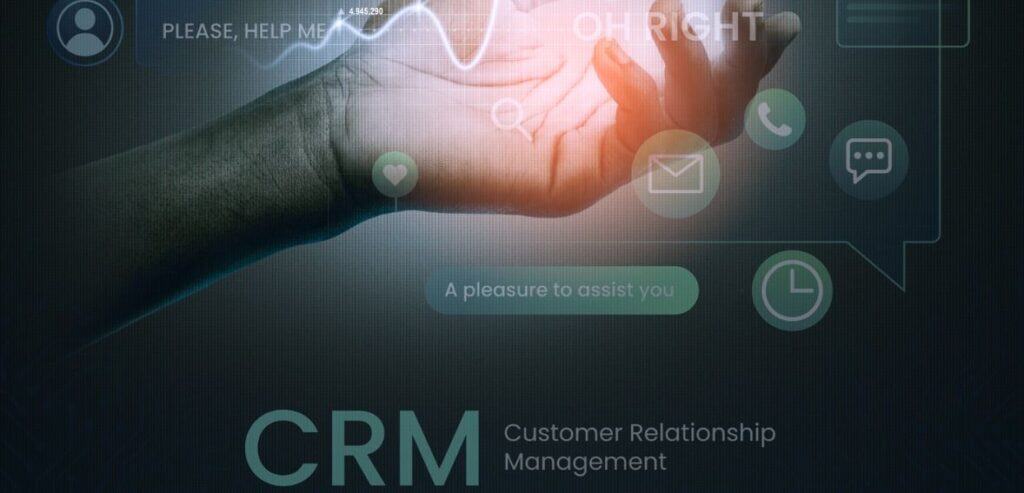
Combining payment data with customer connection data increases its potency. A complete customer perspective is produced by integrating transactions with CRM systems. Marketing teams have access to information about customers’ financial behavior in addition to their identities. Personalized outreach, improved upsell targeting, and more effective retention techniques are all supported by this integration.
Engagement history is contextualized by payment data. Instead of being generic, conversations become informed. Marketing feels coordinated rather than disjointed when systems collaborate. Consistency across touchpoints builds customer loyalty and confidence. Leveraging med spa point-of-sale systems that capture detailed transaction data can enhance CRM insights and improve targeted marketing, segmentation, and upsell strategies.
Avoiding Overreach Through Ethical Data Use
Trust depends on the responsible use of payment data. Consumers don’t expect surveillance, but they do expect personalization. Marketing strategies need to be transparent and considerate of privacy.
Ethical boundaries and well-defined policies guarantee that data improves experience rather than creating discomfort. Offers should be informed by payment data rather than revealing private information.
Customers are more trusting when they are aware of how their data is used to enhance service. Smarter marketing is made possible by ethical data use, which also improves brand reputation. Companies that strike a balance between respect and insight foster long-term connections rather than quick profits.
Supporting Sales Teams with Payment Intelligence
When payment information is transferred from marketing and finance teams to sales personnel, its value increases significantly. When salespeople are aware of a customer’s past transaction behavior, payment preferences, and spending habits, sales conversations significantly improve.
Sales teams can customize recommendations based on what customers have demonstrated they value, rather than depending on pre-planned pitches or presumptions. Customers who have a history of making larger purchases, for example, might react better to bundled upgrades, whereas those who are price-conscious might require phased add-ons or flexible payment terms.
Additionally, this intelligence lessens conflict in negotiations and renewals. Sales teams use relevance to build trust as they transition from persuasion to guidance. Payment data becomes exponentially more valuable when it is shared beyond finance and marketing teams and placed directly into the hands of sales staff.
Sales teams move from persuasion to guidance, building trust through relevance. When payment data informs sales strategy, conversations feel collaborative rather than transactional, improving close rates and long-term customer confidence.
Scaling Marketing Without Losing Personalization
Businesses are frequently forced to choose between efficiency and personalization due to growth; however, payment data eliminates this trade-off. Outreach cannot be manually personalized as customer bases grow. Automated personalization at scale is made possible by transaction data.
Without the need for human intervention, campaigns can be started by spending thresholds, the frequency of purchases, the timing of renewals, or the use of payment methods. This guarantees that relevance doesn’t change as volume rises. Consumers are still getting messages that are specific to their behavior rather than generic ones.
Promotions reach the appropriate audiences, and upsells stay in line with financial comfort levels. Payment-driven automation enables companies to expand ethically while preserving client confidence and boosting productivity. As scale increases, personalization becomes integrated into systems and is no longer dependent on human labor, maintaining quality.
Conclusion: From Payment Records to Growth Strategy
Payment data is now a strategic advantage rather than merely a financial requirement. Few other datasets are able to disclose customer behavior, preferences, readiness, and value when intentionally analyzed. Companies that use payment data for marketing and upselling go beyond speculation to accuracy.
Relationships improve, messages become pertinent, and offers become timely. The true power is found in insight rather than volume. Payment data enables companies to match pricing, promotions, and upsells to the real behavior of their customers rather than their presumptive behavior.
Growth becomes sustainable, sales become more helpful, and marketing becomes more human when transactions inform strategy. Businesses that handle payment data as intelligence rather than accounting have a long-term advantage in a competitive market.
FAQs
What distinguishes payment data from typical customer analytics?
Payment data is more dependable for revenue-driven strategies because it represents actual purchase decisions rather than intent or engagement signals.
Can payment information enhance upselling without undermining customer confidence?
Yes, it increases relevance and lessens intrusive or ill-timed offers when applied morally and openly.
Is payment data exclusive to big businesses, or should small businesses also use it?
Because payment data helps efficiently prioritize scarce marketing and sales resources, small businesses stand to gain the most.
How frequently should marketing insights be extracted from payment data?
With real-time triggers for important actions like renewals, churn risk, or upsell readiness, monthly reviews are ideal.
Does using payment data require advanced technology?
Not necessarily. Even basic reporting from payment processors can reveal valuable patterns when reviewed consistently.